How to Select the Best Electrical Contractor for Your Home Requirements
Selecting the best electrician for home needs is a crucial consideration. Numerous homeowners ignore key elements, leading to significant missteps. It's vital to evaluate reputation, credentials, and experience. Recognizing what to look for can greatly impact the outcome of a project. Residents should also be familiar with critical questions to ask during evaluations. With proper planning, the process can lead to a productive relationship. What find out more measures can confirm this choice is the right one?
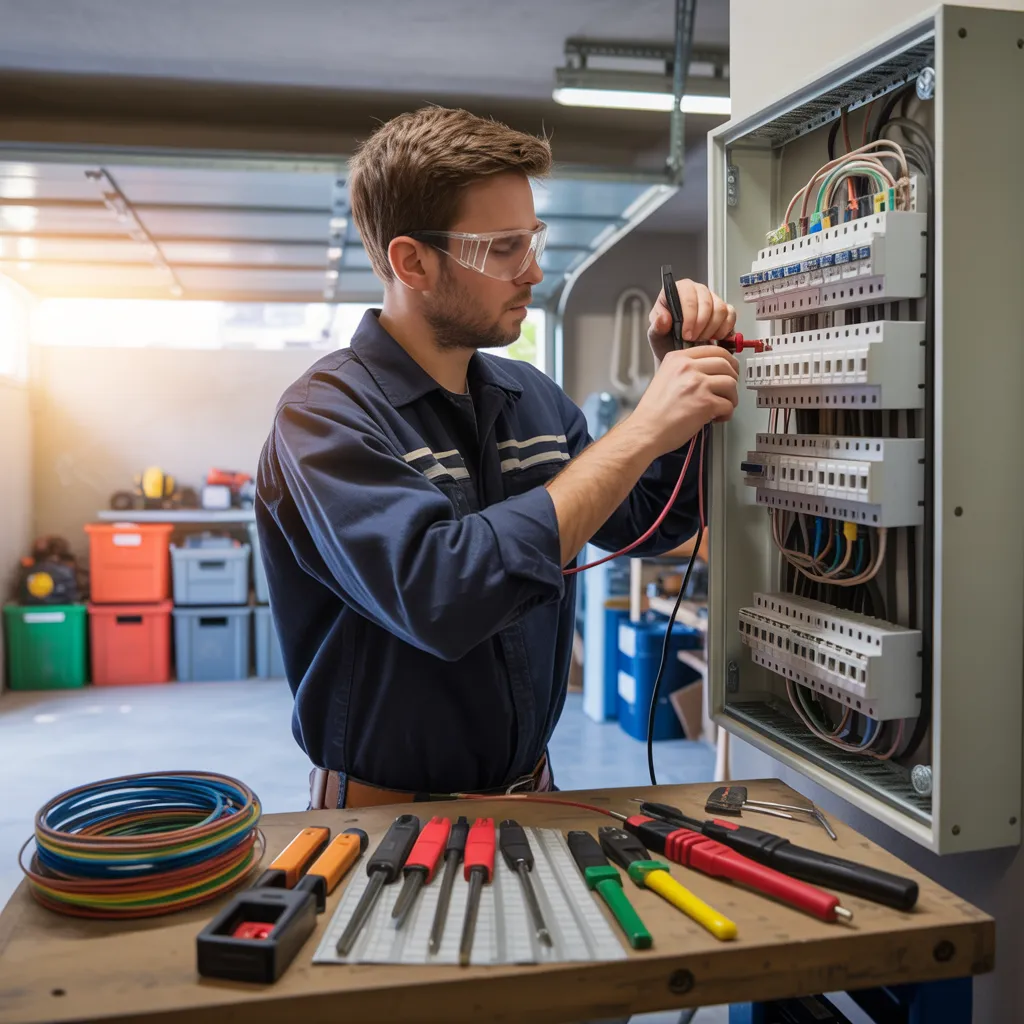
Typical Mistakes to Avoid When Hiring an Electrical Contractor
When choosing an electrical contractor, how can you steer clear of common mistakes? A large number of people fail to recognize the significance of verifying credentials, which may result in employing unqualified workers. Not confirming licenses and insurance can create liability concerns should accidents happen during the work. Furthermore, failing to consult reviews or request referrals may lead to selecting a contractor with an unsatisfactory history.
A further typical mistake concerns neglecting to collect several quotes. Depending on just one quote may result in overpaying or getting inferior service. Furthermore, individuals often underestimate the significance of clear communication. Vague project details can cause miscommunications and surprise charges. Finally, failing to secure a written contract is a major oversight; it benefits both parties and ensures clarity from the start. By steering clear of these errors, homeowners can ensure a smoother and more rewarding experience when working with an electrical contractor.
What Should You Consider When Choosing an Electrical Contractor?
What are the main qualities that make an electrical contractor trustworthy? Above all, a solid reputation is essential. Contractors with positive customer reviews and referrals demonstrate their reliability and quality of work. Furthermore, proper licensing and insurance are important; they protect both the homeowner and the contractor in case of accidents or disputes.
Strong communication abilities are equally important, guaranteeing that the contractor comprehends all project details and keeps the homeowner informed throughout the process. Furthermore, an unwavering focus on safety should be apparent, with full observance of local codes and safety standards.
Finally, clear pricing is crucial; a reliable contractor offers straightforward estimates with no hidden charges. By emphasizing these critical factors—reputation, licensing, communication, safety, and transparency—homeowners can make informed decisions when selecting an electrical contractor, which ultimately ensures a successful project and lasting peace of mind.
What Level of Experience Should Your Contractor Possess for Your Project?
Experience plays a significant role in assessing the appropriateness of an electrical contractor for a specific project. A contractor with considerable experience is often more capable of managing various challenges that may arise during the job. For basic work such as fitting fixtures or outlets, a contractor with a few years of experience may be adequate. However, for more demanding projects, such as rewiring a home or integrating smart technology, a contractor with a proven track record, optimally five to ten years, is highly suggested.
Additionally, the type of project affects the needed experience. Specialized projects, like electrical work for commercial properties or solar energy systems, require contractors with relevant expertise. Homeowners should also evaluate whether the contractor has experience with related residential projects. At the end of the day, reviewing a contractor's experience guarantees that they have the expertise and capabilities required to deliver quality results, consequently improving overall safety and performance in electrical work.
Confirming Your Electrical Contractor's License and Insurance?
Prior to hiring an electrical contractor, confirming their license and insurance is necessary for maintaining both safety and compliance with local safety regulations. A valid license demonstrates that the contractor has completed particular training and skill requirements established by state and local regulators. This not only ensures quality craftsmanship but also shields the homeowner from potential liabilities.
In addition, confirming that the contractor maintains appropriate insurance, including general liability and worker's compensation, is essential. This insurance safeguards homeowners against financial liabilities resulting from accidents or damages that may occur during the job.
Homeowners should request copies of the licensure and insurance records, verifying that they are current and legitimate. It is also wise to investigate any complaints or disciplinary history against the contractor through local licensing boards. By carefully confirming these credentials, homeowners can make well-informed decisions and protect their investment in electrical work.
Important Questions to Ask During Your Contractor Consultation?
Recognizing the right questions to ask during a contractor meeting can substantially affect the outcome of an electrical project. It is important for homeowners to ask about the contractor's background in comparable projects to assess their expertise. Asking for references can shed light on past performance and client satisfaction. It is vital to talk about the project timeline, ensuring that both parties have matching expectations. Homeowners should also clarify the scope of work, including particular tasks and the materials involved. Furthermore, understanding the payment structure is key; discussing deposit expectations and billing stages can avoid potential disputes. Inquiring about warranties on both labor and materials can provide peace of mind. Finally, discussing safety protocols and compliance with local codes helps guarantee that the project adheres to necessary regulations, protecting both the property and those living in it. These questions lay the groundwork for a successful partnership with the electrical contractor.
Tips for Negotiating With Your Electrical Contractor
Reaching an agreement with an electrical contractor demands a thorough understanding of the project's scope to eliminate potential miscommunications. Transparency in pricing is essential for building mutual trust and confirming that both sides are on the same page regarding expenses. Additionally, establishing payment terms in advance can reduce the likelihood of disagreements down the line and lead to a more harmonious collaboration.
Gain a Clear Understanding of Project Scope
Defining the work scope is crucial when engaging with an electrical contractor. A well-defined scope ensures that everyone involved have a shared understanding of the required work, deadlines, and specific tasks involved. Residents should detail their goals in depth, including any unique needs or desired outcomes. This can reduce confusion and unnecessary complications later on. Moreover, it is advisable to have everything documented, including project milestones, necessary supplies, and accountabilities. By articulating what the job requires, property owners can support more meaningful dialogues and agreements. Furthermore, a well-defined scope allows the specialist to provide more accurate estimates and deadlines, ultimately resulting in a more effective overall execution.
Communicate Pricing Clearly
When property owners work with their electrical contractor, transparent pricing becomes an essential element for a mutually beneficial working relationship. Open conversations regarding costs reduce confusion and establish trust. Homeowners are encouraged to obtain itemized quotes that specify labor, materials, and any foreseeable extra costs. This transparency allows them to compare quotes effectively and gauge the contractor's honesty. During negotiations, it is wise to ask about any available discounts or promotions to guarantee they receive fair value. Additionally, homeowners should not hesitate to seek clarification on any ambiguous charges. By encouraging transparent discussions around pricing, both parties can establish shared expectations, setting the stage for a successful project and favorable outcomes. Ultimately, open and honest pricing practices contribute to a stronger and more cooperative contractor-client relationship.
Establish Payment Terms in Advance
Establishing payment terms from the outset is essential for homeowners working with an electrical professional. Transparent payment terms work to eliminate disputes as the project progresses. Homeowners ought to review the overall cost, payment plan, and acceptable payment methods prior to commencing work. A comprehensive agreement specifying these conditions can benefit both parties, ensuring that the contractor is compensated fairly while the homeowner is fully informed of their monetary obligation. It is recommended to negotiate a payment plan that reflects completion benchmarks, such as a preliminary deposit with payments distributed across key completion points. In addition, homeowners are encouraged to question any likely unforeseen charges that may arise during the project, facilitating improved financial preparation and decreasing the probability of unanticipated expenditures.
Commonly Asked Questions
What Kinds of Electrical Services Do Contractors Usually Provide?
Electrical contractors commonly provide services such as installation and repair of outlets, wiring, lighting, and circuit breakers, in addition to troubleshooting, maintenance, upgrades, and safety inspections for residential, commercial, and industrial electrical systems.
What Is the Average Duration of a Typical Electrical Project?
An average electrical project may require a couple of hours to a few days, subject to the scope and complexity of the project. Elements like project scope and particular requirements significantly impact the total project duration.
What Steps Should I Take if I Notice Issues Once the Work Is Finished?
If issues arise after electrical installations, the homeowner should quickly get in touch with the contractor for resolution. Keeping a record of the problems and related communications guarantees clarity, while understanding warranty terms can aid in handling problems successfully.
Do We Offer Any Warranties or Guarantees on Completed Work?
A large number of electrical service providers extend work guarantees on their electrical work, commonly lasting one to five year periods. It's essential for home owners to look into these warranties before bringing on a contractor to guarantee quality and peace of mind.
Where Can I Find Reviews or References for a Contractor?
To locate reviews or references for a contractor, one may browse online platforms, seek recommendations from friends or family, and inquire directly with the contractor for previous client testimonials or references to verify their credibility.